What are the main sources of copyright law?
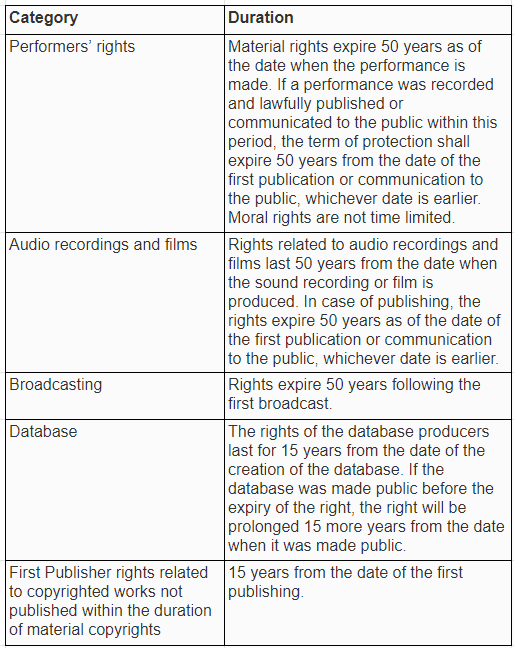
The main source of copyright legislation in the Republic of Serbia is the Copyright and Related Rights Act of 2009 (the Copyright Act), which was amended in 2016 due to a decision made by the Constitutional Court of Serbia.
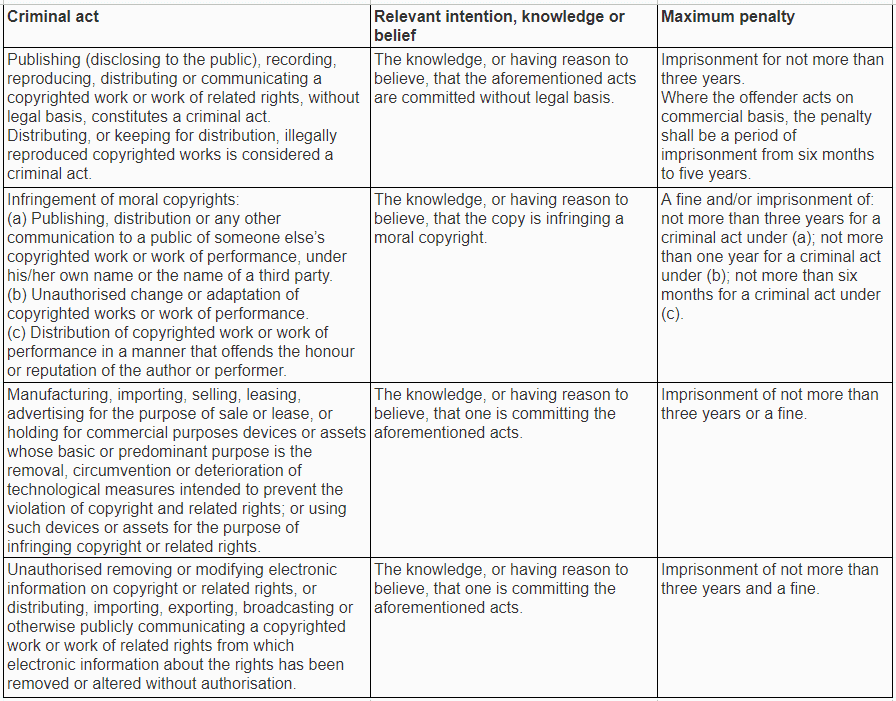
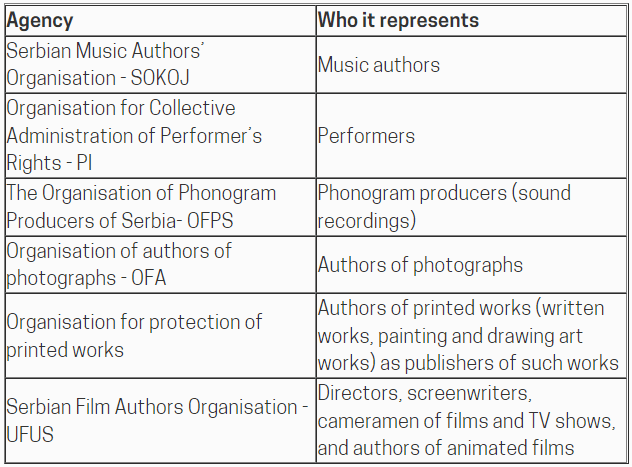
Under the Copyright Act, several by-laws have been enacted regulating the exercise of copyrights and “related rights”, and royalties payable for the use of copyrights and related rights. Alongside the Copyright Act, criminal acts regarding infringements of copyrights and related rights are set forth in the Criminal Code of Serbia. Furthermore, some of the copyrights and related rights have to be exercised through local collecting societies, under the by-laws of such organisations.
Moreover, Serbia entered into several bilateral and international conventions governing copyrights and related rights, including the Berne Convention of 9 September 1886 for the protection of literary and artistic works, the Universal Geneva Convention of 6 September 1952 on author’s rights, the International (Rome) Convention for the Protection of Interpreters, Producers of Phonograms and Broadcasting Organisations of 18 May 1964, the Convention for the Protection of Producers of Phonograms Against Unauthorised Duplication of Their Phonograms (the Geneva Convention) of 29 October 1971, WIPO Copyright Treaty (WCT) of 20 December 1996 and WIPO Performances and Phonograms Treaty of 20 December 1996.